Tenant
7 Things Warehouse Tenants Should Negotiate Before Signing a Warehouse Lease
 Hector Lopez
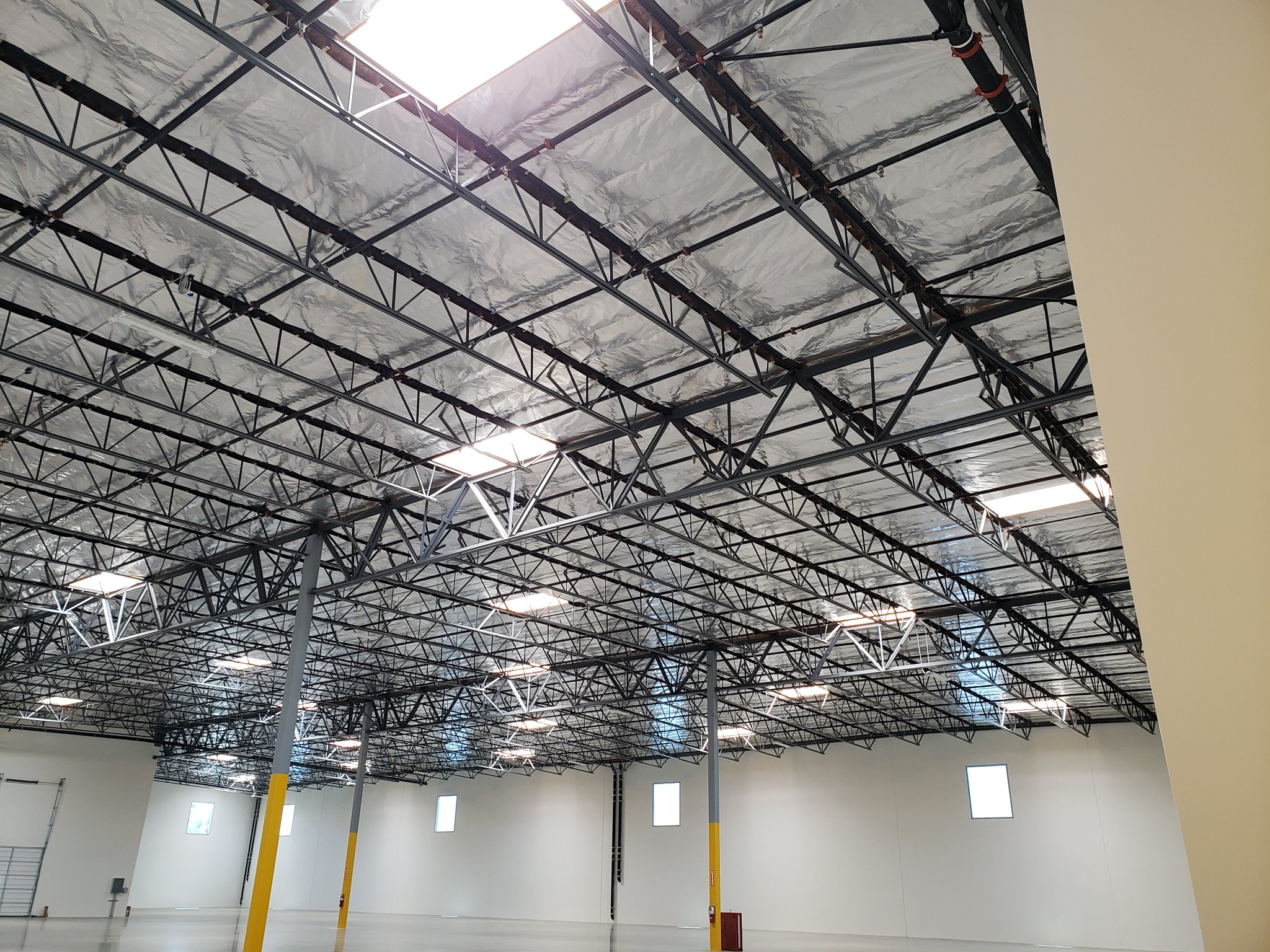
Finding the right warehouse is only half the battle.
The lease you sign can have a major impact on your operating costs, flexibility, and ability to grow. Two warehouse spaces may have similar asking rents, but the actual cost of occupying them can be very different once operating expenses, repairs, annual increases, and tenant improvements are factored in.
Before signing an industrial lease, here are seven items every warehouse tenant should review and negotiate.
1. Understand the Real Monthly Cost
Don't focus only on the advertised rental rate.
Industrial properties are commonly offered as NNN (Triple Net) leases, meaning the tenant pays its share of expenses such as:
Property taxes
Property insurance
Common area maintenance
Landscaping
Security
Property management
Other operating expenses
For example, a warehouse advertised at $1.25 per square foot may have an additional $0.30 per square foot in NNN expenses.
Always ask:
What is my estimated total monthly payment, including NNN expenses?
This gives you a much better comparison between properties.
2. Negotiate Free Rent
Depending on the property, lease term, and current market conditions, landlords may offer a period of rent abatement.
Free rent can help offset expenses related to:
Moving
Installing warehouse racking
Office improvements
Equipment installation
Permits
Internet and utilities
Hiring employees
Business downtime during relocation
Even if a landlord will not reduce the rental rate, they may be willing to provide additional free rent.
Everything is negotiable until the lease is signed.
3. Clearly Define Who Pays for Repairs
One of the biggest mistakes industrial tenants make is assuming the landlord will repair major building systems.
Your lease should clearly identify responsibility for items such as:
HVAC units
Roof
Dock equipment
Dock levelers
Roll-up doors
Electrical systems
Plumbing
Fire sprinkler systems
Parking lot and truck court
Imagine moving into a warehouse and discovering six months later that an HVAC unit needs a $12,000 replacement.
You want to know who is responsible before signing the lease.
4. Verify the Electrical Power and Warehouse Specifications
Never assume a warehouse will work for your operation simply because the square footage looks right.
Tenants should verify:
Electrical amperage
Voltage
Three-phase power
Clear height
Loading doors
Dock-high positions
Ground-level doors
Truck access
Trailer parking
Fire sprinkler system
Zoning
Manufacturing, food production, cold storage, auto-related businesses, and other specialized users can have significantly different requirements.
Confirm that the property can physically and legally support your operation.
5. Negotiate Tenant Improvements
If the property needs work, determine what the landlord will complete before you take possession.
Tenant improvements can include:
New office flooring
Paint
Lighting
Restrooms
Office buildout
Electrical upgrades
Warehouse lighting
HVAC work
Dock equipment
Additional power
There are several ways these improvements can be structured.
The landlord may complete the work, provide a tenant improvement allowance, give additional free rent, or negotiate a combination of these options.
Get everything in writing.
6. Pay Attention to Annual Rent Increases
Most industrial leases include annual rent increases.
Typical lease structures may include fixed annual increases or percentage increases.
A small difference in annual increases can become significant over a five-, seven-, or ten-year lease.
Tenants should evaluate the total cost of the lease, not just the first-year rent.
Also pay attention to increases in operating expenses and property taxes.
If the property is sold during your lease, a reassessment could potentially increase property taxes and therefore increase your NNN expenses.
7. Protect Your Ability to Grow or Sell Your Business
Businesses change.
Your lease should provide reasonable flexibility if you eventually need to:
Expand
Relocate
Sublease the space
Assign the lease
Sell your company
Bring in a new business partner
Review the assignment and subleasing provisions carefully.
A lease that is extremely restrictive today could create a major problem several years from now.
Before You Sign a Warehouse Lease
Industrial leases are often significantly more complicated than tenants expect.
The rental rate is only one part of the negotiation.
A knowledgeable commercial real estate broker can help you compare properties, evaluate total occupancy costs, negotiate business terms, and identify potential issues before you commit to a long-term lease.
Looking for Warehouse Space in Southern California?
The Warehouse Dealers specializes in industrial and warehouse real estate throughout Southern California and the Inland Empire.
Whether you need a 3,000-square-foot flex space or a 300,000-square-foot distribution facility, we can help you identify available properties and negotiate the best possible lease terms.
Looking for a warehouse? Contact The Warehouse Dealers before you sign a lease.